The virality of corruption is pandemically universal. The sole difference is some countries are more corrupt than others. Malaysia ranks 57 out of 180 countries in Transparency International’s Corruption Perceptions Index or CPI for 2020.
An uncelebrated disparagement indeed, as it simply means that Malaysia is the 57 most corrupt of 180 countries. Disdainfully, endemic corruption is eminently pervasive where the random man on the street perception is that the ignoble state-of-affairs is an irreversible way-of-life.
Corruption begets corruption, perpetuated with impunity since partners in crime won’t tell on each other unless en route to becoming a prosecution witness. The cliché money is the root of all evil is merely superficial generalisation. Money can be put to good use just as it can be a conduit for criminality and immorality. The motivation in corruption is almost exclusively monetary – considering that bribes can come in many forms, even carnal-pleasures.
Should one believe one has a soul, the corrupt are tainted; and though their malfeasances and transgressions might not be discovered, their souls are blighted and tarnished nonetheless. Corruption is evil and malevolent. One can insensibly self-deceive by opining that taking or giving a bribe is merely business facilitation and nobody is hurt. Sheerly, this is a duplicitous self-consoling denial of appalment and likely incriminatory utterance as well.
Corruption Ranking – Malaysia
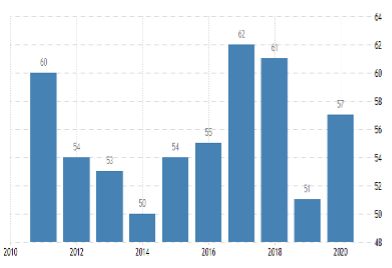
Source: Transparency International
Corruption can injure and even kill through consequential chains of events. The toxic tentacles of corruption are wide and far-reaching. Hypothetically, should a law-enforcer take bribes from a criminal, more crime committals from the same source shall ensue. This applies all the way up from police, prosecutors, judges to ministers. Imagine the damage it would do to society.
To the seemingly harmless scenario of a roadworks contractor bribing the approvers of shoddy works, injuries and deaths can come about from accidents attributable to something as simple as pothole formations and causations. In addition, the client would have been short-changed with the added aggravation of undeserving exposure to potential lawsuits and prosecution.

Renaissance fresco of The Good and the Bad Judge, Monsaraz, Portugal
If a builder slips bribes to get plans approved, the ultimate clients cum buyers would end up being overcharged, hence paying more for something that should have cost less. Moreover, if officials are corrupt, then structural integrity becomes questionable. It’s altogether a rippling effect.
The principle of action and reaction equates with cause and effect. Ubiquitary corruption is pervading our lives and perilously compromising on our well-being. It has long been a battle of propriety and ethicality against money-inveigled immorality and spiritual abasement.
While the righteous are striving to be better people in their journey through life, the corrupt are the ones that befoul even the very food that their loved ones nourish on. It’s no better than fattening on vility.
Some people might contra with the expedience that corruption is ephemerally required in business to overcome impediments, thus creating a conducive path to objectives. The compromises we make have ramifications. If one is complicit to the propagation of evil, then one is inarguably anathema personified.
Simon Wiesenthal put it succinctly with “for evil to flourish, it only requires good men to do nothing”. These words ought to reverberate reverently in our percipience and conscience. Expecting corruption to be eradicated is utopic yet diminishing it is attainable.
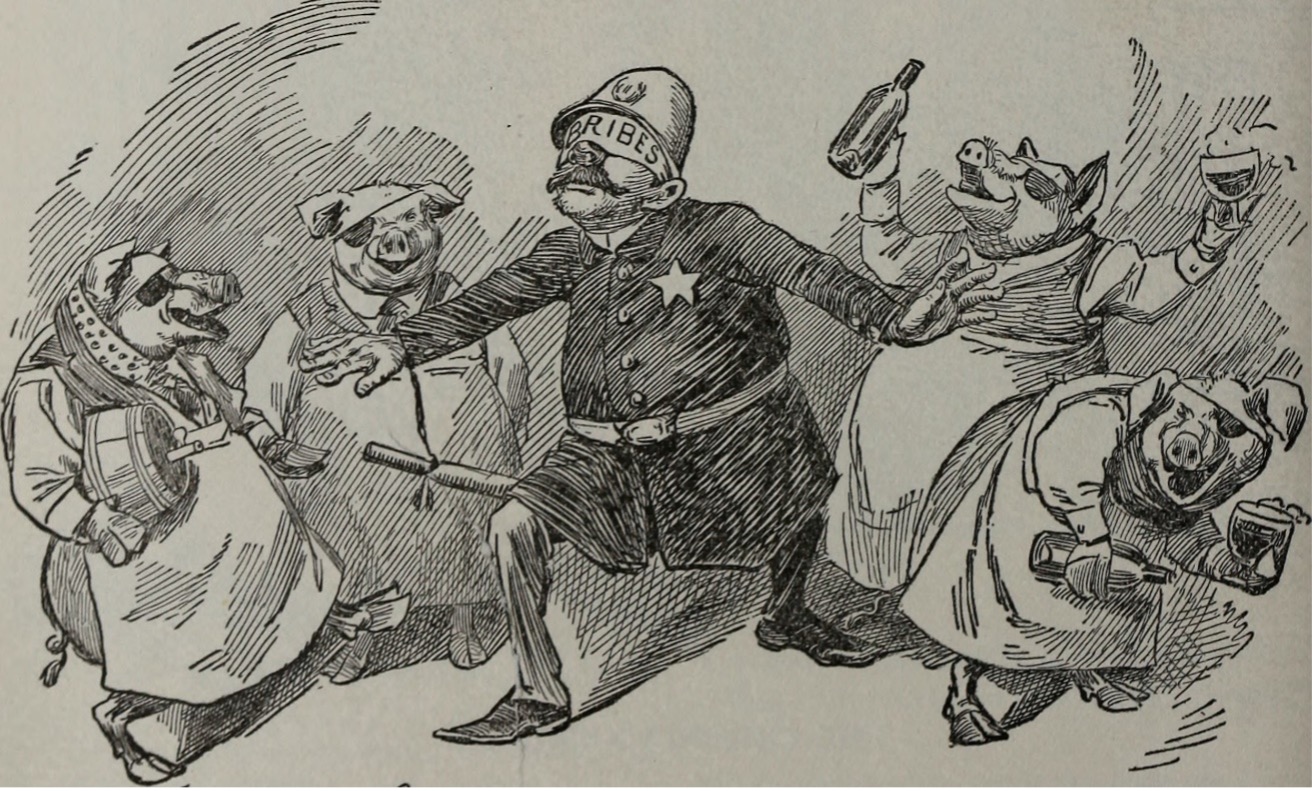
A 1902 cartoon of a bribed policeman.
The actions we take or fail to take will help to determine it. There is such a thing as karmic retribution both in life and afterlife. For those who believe in divinity and that humans are fallible, retribution is inevitable much as rewards are, for doing the right thing.
Of late, a new initiative in the fight against corruption called Rasuah Busters has been launched by veteran journalist Hussamuddin Yaacub. It’s a people’s campaign responding to the perception that corruption has become more rampant in our society.
It’s our innate obligation to do our bit to help to correct irregularity and more so when its pernicious and odious – failing which our indifference would have unthinkably aided in the espousal and augmentation of evil.
By: J. Sam Barr